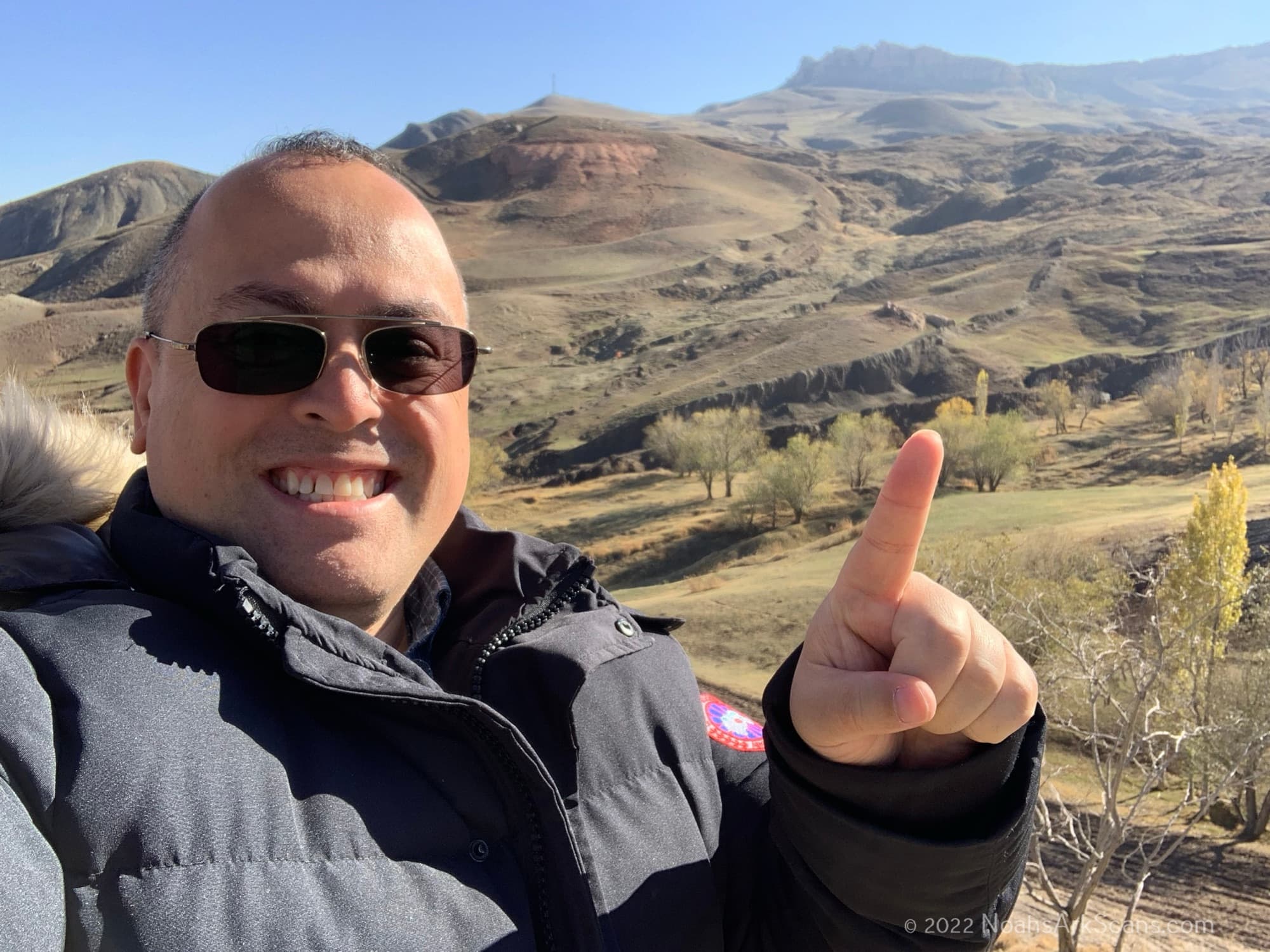
In 1959, Captain Ilhan Durupinar discovered a remarkable boat-shaped formation in aerial reconnaissance photographs of eastern Turkey. Located near Mount Ararat at approximately 6,300 feet elevation, this 157-meter-long (515 feet) structure has captivated researchers, archaeologists, and believers for decades.
Noah's Ark Scans is dedicated to conducting rigorous geophysical surveys of the Durupinar site using cutting-edge technology including Ground Penetrating Radar (GPR), Electrical Resistivity Tomography (ERT), and LiDAR scanning. Our research, conducted in collaboration with Turkish scientists and international researchers, has revealed unusual linear subsurface structures, right angles, corridors, and room-like chambers within the formation.
Turkish scientists lead the project — necessary for legal excavation — while working collaboratively with international researchers like Noah's Ark Scans. The 2021 Turkish Government's Scientific Project marked a major milestone, and our ongoing work continues to build the most comprehensive subsurface map of the formation ever created.
This project is funded entirely by people who believe this research matters. Your contributions directly support the geophysical surveys, core drilling, Visitor Center upgrades, and multimedia content that shares these discoveries with the world.
Meet the Founder
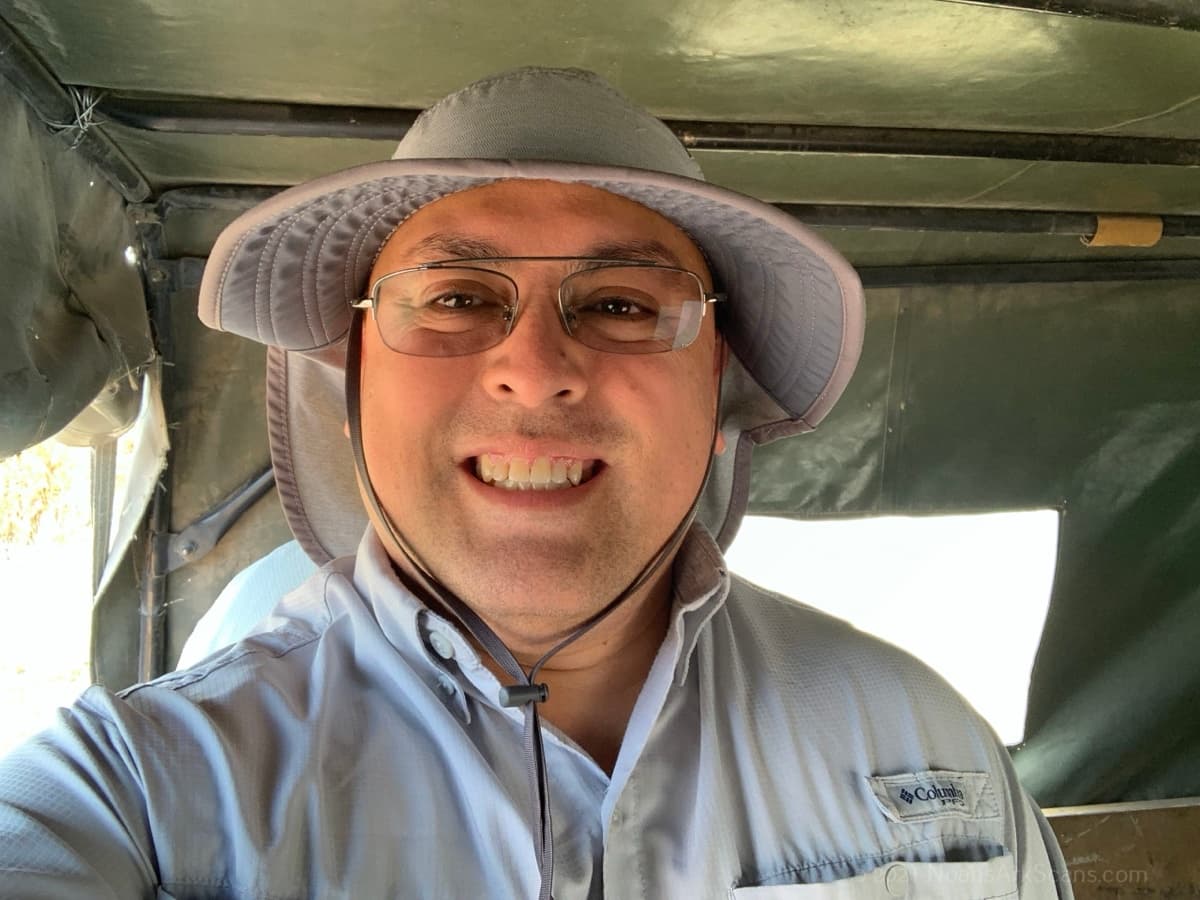
Founder, Noah's Ark Scans
Andrew Jones is an American researcher, tour leader, and founder of Noah's Ark Scans who has spent nearly three decades investigating the Durupınar Noah's Ark site in eastern Turkey. His interest in the site began with his first visit in 1997, followed by additional expeditions in 2000 and extensive fieldwork from 2013 onward. Since then, he has worked to promote scientific research, public education, and international awareness of one of the world's most debated archaeological locations.
Jones played a leading role in organizing and funding the comprehensive 2019 Ground Penetrating Radar (GPR) and LiDAR surveys at the Durupınar formation. The survey was conducted using multiple radar frequencies and was filmed by the Science Channel while documenting the scientific investigation. Subsequent analysis of the data revealed unusual subsurface anomalies, including corridor-like features, chamber-shaped spaces, and geometric patterns that researchers believe warrant further study.
Over the years, Jones has appeared in numerous documentaries, television programs, podcasts, and news reports discussing Noah's Ark research. His work and the Durupınar investigations have been featured by organizations including the Science Channel, History Channel productions, NBC-affiliated reporting, Fox News, CBN, NewsNation, and numerous Turkish television networks and newspapers.
In addition to research, Jones regularly lectures and guides visitors from North America, Europe, Asia, and other regions who travel to eastern Turkey to learn about the Noah's Ark site. Through educational tours, conferences, and symposium presentations, he has helped introduce thousands of visitors to the archaeology, geology, history, and biblical traditions associated with Mount Ararat and the Durupınar formation.
In 2022, Jones helped coordinate a major renovation and modernization effort at the Noah's Ark Visitor Center, including new displays, educational materials, signage improvements, and visitor enhancements. Working alongside local organizations, universities, government agencies, tourism officials, and community leaders, he has continued to support infrastructure improvements and scientific initiatives designed to preserve and promote the site for future generations.
Today, Jones is actively involved in a new phase of multidisciplinary research that includes soil analysis, electrical resistivity surveys, advanced geophysical imaging, planned core drilling, and other non-invasive scientific methods. Working with Turkish and international researchers, his goal is to determine whether the Durupınar formation is a natural geological structure or the remains of a large ancient vessel. Through ongoing research, public outreach, and international collaboration, he continues to help keep global attention focused on one of archaeology's most intriguing mysteries.
Building on earlier work: the modern search at the Durupınar site was pioneered by researcher Ron Wyatt beginning in the late 1970s. That early curiosity has since grown into the rigorous, government-authorized scientific program underway today.